How to Organize Your Medications Safely at Home
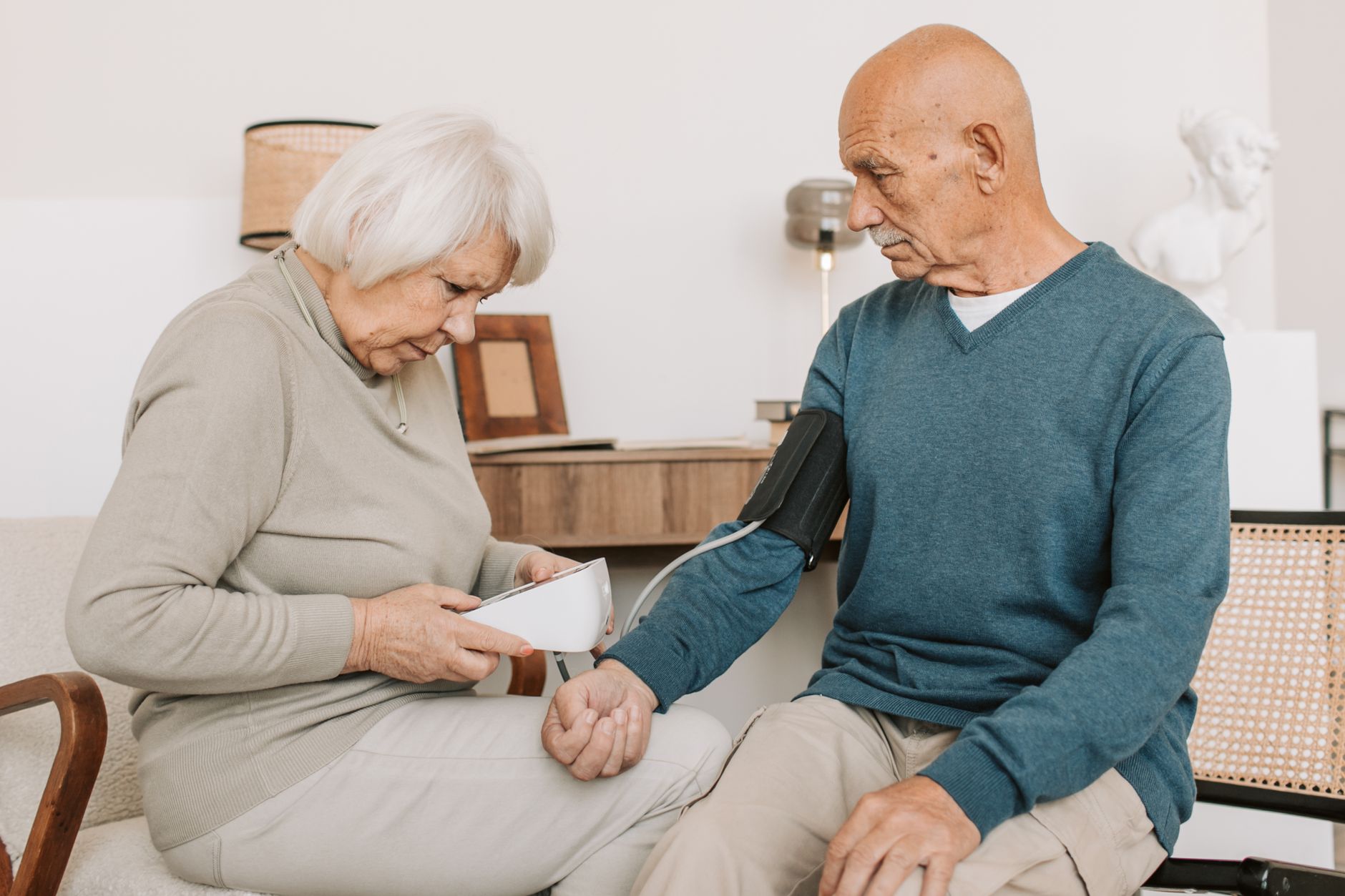
For the millions of older adults who take multiple medications each day, staying organized is not just a matter of convenience — it can literally save your life. Medication errors send over 700,000 Americans to emergency rooms every year, and seniors solo aging are especially vulnerable to mix-ups. When you manage everything yourself, a single missed dose or accidental double dose can have serious consequences. The good news is that with a few simple systems in place, you can take full control of your medication routine and enjoy genuine peace of mind.
对于每天服用多种药物的数百万老年人来说,保持药物整理有序不仅仅是方便与否的问题——它实际上可以挽救您的生命。美国每年有超过70万人因用药错误进入急诊室,而独居长者尤其容易出现混淆。当所有事情都由您自己管理时,一次漏服或误服双倍剂量都可能带来严重后果。好消息是,只需建立几个简单的系统,您就能完全掌控用药流程,真正获得内心的安宁。
Start with a Complete Medication Inventory / 从完整药物清单开始
The first step toward medication safety is knowing exactly what you are taking. Gather every single medication — prescription drugs, over-the-counter pills, vitamins, supplements, and even occasional remedies like sleep aids — and place them all on a clean table. Create a master list that includes the medication name, dosage, prescribing doctor, reason for taking it, and the specific instructions printed on each label. Update this list every time something changes and keep a copy in your wallet, on your refrigerator, and with a trusted family member.
药物安全的第一步是确切知道自己在服用什么。把每一份药物——处方药、非处方药、维生素、保健品,甚至偶尔服用的助眠药——全部放到干净的桌子上。创建一份总清单,包括药物名称、剂量、处方医生、服用原因以及每个标签上的具体说明。每次有变动时更新这份清单,并在钱包里、冰箱上和信赖的家人那里各放一份副本。
Choose the Right Organizer for Your Needs / 选择适合您的药物整理工具
A basic pillbox with morning and evening compartments may work for someone managing only two medications, but most seniors need something more robust. Look for organizers with separate compartments for morning, noon, evening, and bedtime across a full seven days. Models with removable daily pods are especially helpful — you can take just one day’s worth when you go out rather than carrying your entire week’s supply. For those with memory concerns, automatic dispensers that sound alarms and release only the correct dose at the scheduled time are worth the investment.
对于只服用两种药物的人来说,早晚分格的简易药盒可能够用,但大多数长者需要更可靠的工具。选择那种有早、中、晚、睡前独立分格、覆盖整整七天的整理盒。带有可拆卸每日药盒的款式特别方便——外出时只需带一天的药,不用把整周的带上。对于有记忆力问题的人,自动给药器会在预定时间发出提醒并只释放正确的剂量,值得投资。
Create a Foolproof Daily Routine / 建立万无一失的日常服药流程
Consistency is your strongest ally when it comes to medication safety. Set a specific time each day to take your medications and tie it to an existing habit — right after breakfast, for instance, or immediately after brushing your teeth. Use your smartphone’s alarm function or a dedicated medication reminder app to prompt you at each scheduled time. Many seniors also find it helpful to keep a simple paper log where they check off each dose immediately after taking it. Never rely on memory alone, because even the sharpest minds can forget when distracted.
在药物安全方面,一致性是您最强大的盟友。每天设定固定的服药时间,并把它和已有习惯绑定——比如早餐后立即服药,或刷牙后马上吃。用智能手机的闹钟功能或专门的用药提醒应用在每个预定时间提示您。许多长者还发现,用一张简单的纸质记录表,每服一次药就打一个勾,非常有用。永远不要只依赖记忆,因为即使最清醒的头脑在分心时也可能忘记。
Store Medications Properly and Safely / 正确安全地存放药物
Where you keep your medications matters enormously. Most pills should be stored at room temperature in a dry place — the bathroom medicine cabinet is actually one of the worst locations due to heat and humidity from showers. A kitchen cabinet away from the stove or a dedicated drawer in your bedroom works much better. Always keep medications in their original containers with labels intact so you can quickly verify what each pill is for. If grandchildren visit regularly, invest in a small lockbox for any medications that could be dangerous to children.
药物存放的位置至关重要。大多数药片应在室温下干燥处保存——卫生间的药柜其实是最糟糕的存放地之一,因为淋浴产生的热量和湿气会损害药效。远离炉灶的厨房橱柜或卧室专用抽屉要好得多。始终把药物存放在带标签的原装容器中,以便快速确认每种药物的用途。如果孙辈经常来访,请为可能对儿童有危险的药物准备一个小型锁箱。
Communicate Openly with All Your Healthcare Providers / 与所有医护人员保持坦诚沟通
Many seniors see multiple specialists, and each one may prescribe medications without knowing what the others have ordered. Bring your complete medication list to every single appointment, even if you think the doctor already has it in their computer system. Ask directly whether any of your medications could interact negatively with each other. Pharmacists are an excellent and often underused resource — they can review your entire medication profile for free and flag potential conflicts that busy doctors might miss.
许多长者就诊于多位专科医生,而每位医生开药时可能不知道其他医生开了什么。每次就诊都带上您的完整用药清单,即使您认为医生电脑里已经有了。直接询问是否有药物之间存在不良相互作用。药剂师是极好但常被低估的资源——他们可以免费审阅您的全部用药情况,并指出忙碌的医生可能遗漏的潜在冲突。
Have a Backup Plan for Refills and Emergencies / 备好转药和应急方案
Running out of a critical medication because you forgot to request a refill is entirely preventable with a little planning. Mark your calendar at least one week before each prescription runs out so you have time to contact your doctor and pharmacy. Sign up for automatic refill and delivery services where available — many pharmacies now offer free home delivery for seniors. Keep a printed copy of your medication list in an easy-to-find location so paramedics or neighbors can access it during an emergency. Peace of mind comes from preparation, and preparation is something you can start building today.
因为忘记续方而断了关键药物,这完全可以通过一点规划来避免。在每张处方用完前至少一周在日历上做好标记,以便有时间联系医生和药房。注册自动续方和送药服务——许多药房现在为长者提供免费送药上门。把药物清单的打印版放在容易找到的地方,这样急救人员或邻居在紧急情况下可以获取。内心的安宁来自充分的准备,而准备是您今天就可以开始行动的事情。