Eating Well After 60: The Senior’s Guide to Anti-Inflammatory Nutrition
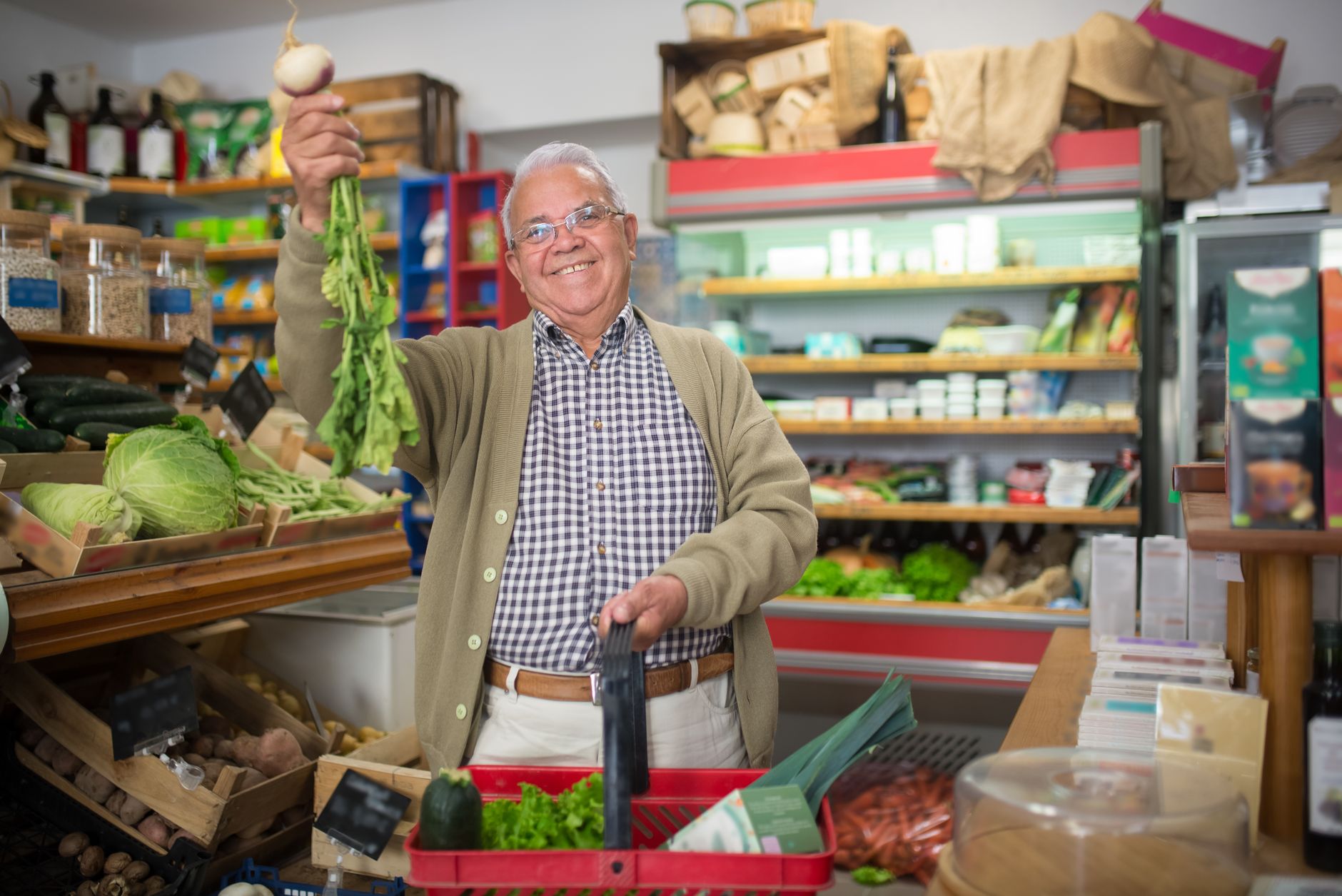
What you eat after 60 matters more than at any other point in your life. Your body’s metabolism slows, your ability to absorb certain nutrients decreases, and chronic inflammation — the silent driver behind arthritis, heart disease, cognitive decline, and dozens of other conditions — becomes increasingly active. The encouraging truth is that food is one of the most powerful medicines available to you, and it does not require a prescription. An anti-inflammatory diet built around whole, colorful, minimally processed foods can measurably reduce your risk of chronic disease, sharpen your thinking, and give you the energy to live fully.
60————
Understand Why Inflammation Increases With Age
Chronic low-grade inflammation — sometimes called “inflammaging” — is a natural consequence of the aging immune system. As your body accumulates cellular damage over decades, the immune system stays in a state of low-level alert, releasing inflammatory compounds even when no immediate threat exists. This background inflammation damages blood vessels, disrupts insulin signaling, degrades joint cartilage, and contributes to the neuroinflammation associated with Alzheimer’s disease. The foods you choose every day can either stoke this fire or systematically dampen it.
——””——
Build Your Plate Around Anti-Inflammatory Superstars
Fatty fish — salmon, sardines, mackerel, and trout — top the list for good reason. They are among the richest sources of omega-3 fatty acids EPA and DHA, which directly suppress inflammatory pathways. Aim for at least two servings per week. Deeply colored berries — blueberries, strawberries, cherries, and blackberries — contain anthocyanins that reduce inflammatory markers and protect brain cells. Extra-virgin olive oil is rich in oleocanthal, a compound with anti-inflammatory properties comparable to low-dose ibuprofen. Dark leafy greens like spinach, kale, and Swiss chard deliver vitamins K, C, and E alongside magnesium, all of which support anti-inflammatory processes.
————-3EPADHA————KCE
Prioritize Protein to Preserve Muscle Mass
Sarcopenia — the age-related loss of muscle mass — begins accelerating in your 60s and becomes a primary driver of weakness, falls, and loss of independence. Adults over 60 need significantly more protein than the standard recommendation: most nutrition experts now suggest 1.2 to 1.6 grams per kilogram of body weight daily, spread evenly across meals. The best sources include eggs, Greek yogurt, cottage cheese, legumes, tofu, fish, and lean poultry. Including 25 to 30 grams of protein at breakfast — rather than saving it all for dinner — is particularly effective at stimulating muscle protein synthesis throughout the day.
————60601.21.62530————
Support Your Gut for Whole-Body Health
The gut microbiome — the trillions of bacteria living in your digestive tract — plays a central role in regulating inflammation, producing neurotransmitters, and supporting immune function. After 60, gut microbiome diversity naturally decreases, which is associated with increased inflammation and reduced resilience. You can actively support a healthy gut by eating a wide variety of plant foods (aim for 30 different plants per week), incorporating fermented foods like plain yogurt, kefir, kimchi, sauerkraut, and miso, and ensuring adequate fiber intake from vegetables, legumes, and whole grains.
————6030
Limit the Foods That Drive Inflammation
Just as important as adding anti-inflammatory foods is reducing the ones that inflame. Ultra-processed foods — packaged snacks, fast food, commercial baked goods, sweetened beverages — contain refined carbohydrates, industrial seed oils, and additives that directly trigger inflammatory responses. Refined sugar is particularly problematic: it spikes blood glucose, promotes glycation (a process that damages proteins throughout the body), and feeds pro-inflammatory gut bacteria. Excess alcohol disrupts the gut lining and promotes inflammation. You do not need to eliminate these foods completely, but reducing them significantly is one of the highest-impact dietary changes you can make.
————
Practical Tips for Eating Well When You Live Alone
Cooking for one can feel discouraging — recipes designed for four, produce that goes bad before you finish it, and the temptation to just eat crackers and cheese for dinner. A few strategies make healthy solo eating far more sustainable. Batch cook grains, legumes, and roasted vegetables on Sunday to build quick meals throughout the week. Buy frozen wild salmon, blueberries, and leafy greens, which are nutritionally equivalent to fresh and far more convenient. Invest in small containers and portion your meals as soon as you cook them. And give yourself permission to keep meals simple — a piece of salmon, a cup of roasted sweet potatoes, and a handful of spinach is a complete, deeply nourishing meal that takes fifteen minutes to prepare.
————
Sources & References:
- National Institute on Aging (NIA) — nia.nih.gov/health
- Centers for Disease Control and Prevention (CDC) — cdc.gov/aging
- Medicare.gov — medicare.gov
This article is for informational purposes only and does not constitute medical advice. Always consult your healthcare provider for personalized guidance.
About the Author
Written by Elena Martinez, a senior wellness advocate with over fifteen years of experience helping older adults navigate the challenges and joys of independent living. Elena's work is informed by her conversations with thousands of solo agers and her own experience of living independently after 60. She believes every senior deserves the tools and knowledge to age with dignity, autonomy, and confidence.
Frequently Asked Questions
How can I apply this advice to my situation?
Every solo ager's situation is unique. Start by identifying the one or two strategies in this article that feel most relevant to your current needs. Try them for a week, adjust as needed, and build from there. Small steps taken consistently lead to meaningful change over time.
What if I don't have anyone to help me implement these ideas?
Many solo agers feel this way. Consider reaching out to local senior centers, Area Agencies on Aging, or online communities for solo seniors. You may be surprised to find others in the same situation who are eager to share ideas and support. The National Institute on Aging has a resource directory that can help you find local services.
Is this information reviewed by experts?
All content on SoloAgeHaven is reviewed against authoritative sources including the National Institute on Aging, the Centers for Disease Control and Prevention, and other trusted public health organizations. Our articles are written based on personal experience and publicly available research, and are updated regularly to reflect current guidelines.
Take the First Step Today
You don't have to implement everything at once. Pick one suggestion from this article that resonates with you and try it this week. The journey to confident solo aging starts with a single step. Share your experience in the comments or reach out to our community — you are not alone in this.
Related reading
- Easy Anti-Inflammatory Meals for Seniors Living Alone
- Essential Nutrition Guide for Healthy Aging
- The Science of Healthy Aging: Nutrition & Exercise After 55
- How I Save $400 a Month on Groceries Eating Healthy at 65 — My Complete System
- Eating Well and Staying Active: A Wellness Guide for Solo Seniors