Senior Co-Housing: A Growing Alternative to Nursing Homes
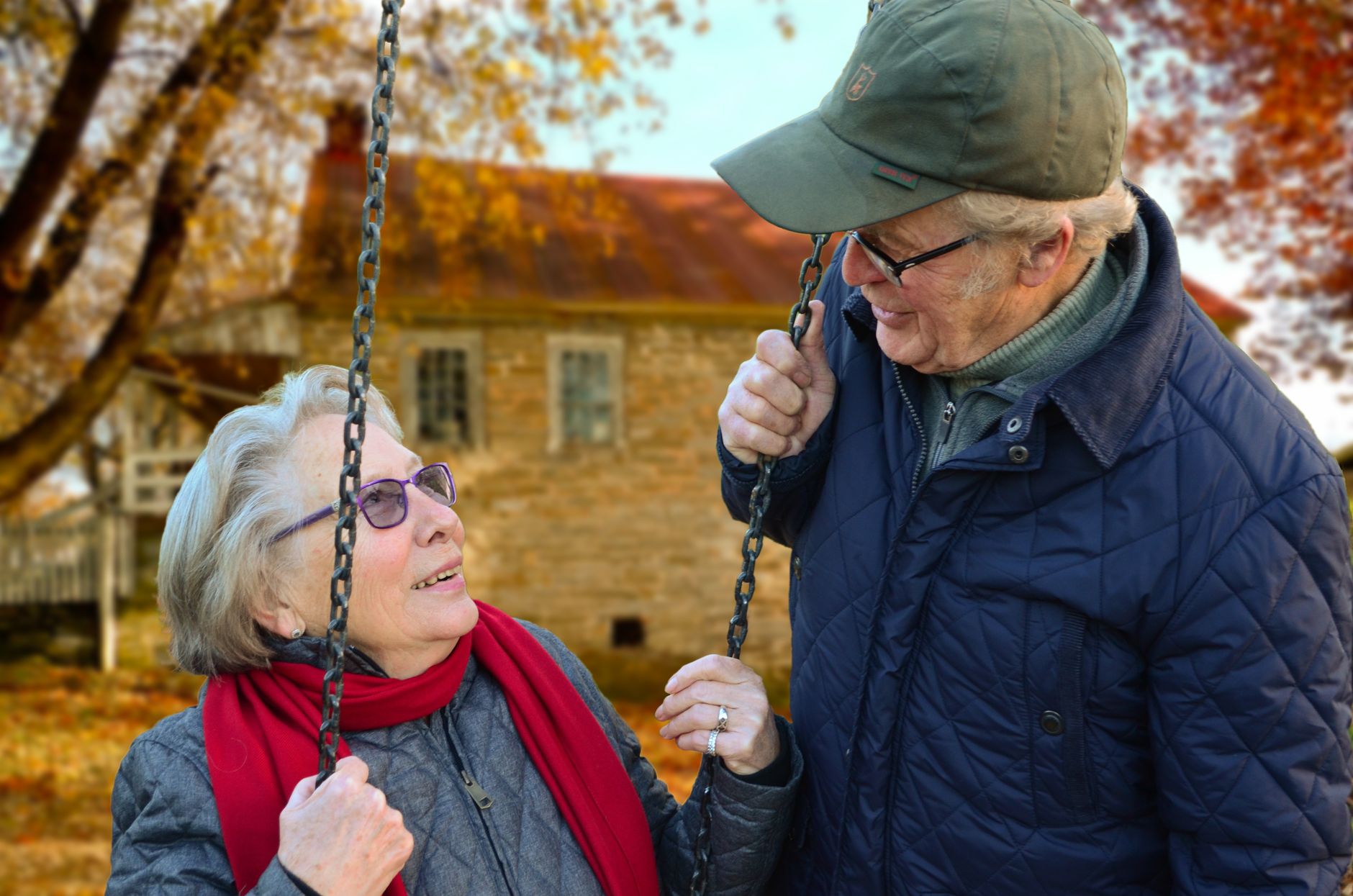
For millions of older adults, the question of where to live in later years carries enormous weight. Traditional options like nursing homes and assisted living facilities have long dominated the conversation, yet they often come with steep costs and a loss of personal autonomy. A growing movement called senior co-housing is challenging that narrative by offering a model built on shared resources, mutual support, and intentional community. Across North America and Europe, older adults are discovering that co-housing provides the companionship they crave without sacrificing the independence they treasure.
“”
What Is Senior Co-Housing?
Senior co-housing is a residential arrangement where older adults live in private homes clustered around shared spaces such as a common house, gardens, and walkways. Unlike traditional retirement communities managed by corporate operators, co-housing communities are designed and governed by their residents themselves. Each household maintains its own kitchen, bedroom, and living area, while the common house typically includes a large dining room, guest rooms, laundry facilities, and hobby spaces. The concept originated in Denmark in the 1960s and has since spread to more than a dozen countries worldwide.
2060
The core philosophy rests on three pillars: privacy when you want it, community when you need it, and shared responsibility for the well-being of all residents. Meals are often prepared and eaten together several times a week, creating natural opportunities for social connection without forced interaction. Decisions about community life are made through consensus, ensuring that every voice matters. This structure appeals especially to solo agers who want to avoid isolation without surrendering control over their daily lives.
Why Solo Agers Are Drawn to Co-Housing
solo aging after 65 can be both liberating and lonely. Research from AARP shows that nearly one in three older adults reports feeling lonely on a regular basis, and those without children nearby face even greater risks of social isolation. Co-housing directly addresses this gap by embedding daily social contact into the fabric of residential life. Neighbors become a natural support network, checking in during illness, sharing rides to appointments, or simply sharing a cup of tea on a difficult day.
65
For solo agers specifically, co-housing offers a built-in safety net that does not depend on family proximity. When Margaret, a 74-year-old retired teacher from Portland, fell and broke her wrist last winter, three neighbors coordinated meals, transportation, and check-ins until she recovered. “I never felt like a burden,” she says. “That is the difference. In co-housing, helping each other is just what we do.” This kind of organic mutual aid is difficult to replicate in conventional housing arrangements.
74″”””
The financial benefits are equally compelling. By sharing resources like tools, appliances, and even vehicles, residents can significantly reduce their monthly expenses. Common meals cost far less per person than individual cooking, and shared maintenance duties eliminate the need for expensive service contracts. Many co-housing communities also negotiate group rates for home care services, internet, and insurance, passing savings directly to residents.
Co-Housing vs. Assisted Living: A Clear Comparison
Understanding the differences between co-housing and assisted living is essential for making an informed housing decision. Assisted living facilities provide medical support, structured activities, and round-the-clock staff, but they often come with monthly fees ranging from $3,500 to $7,000 depending on location and level of care. Residents typically occupy small apartments with limited personalization options and follow facility schedules for meals and activities. The clinical environment, while safe, can feel institutional and diminish the sense of home.
3,5007,000
Co-housing, by contrast, costs significantly less because residents share operational expenses rather than paying corporate profit margins. A typical co-housing community might require $150 to $400 per month in shared fees, covering common area maintenance, shared meals, and community activities. Each resident owns or rents their private unit independently, maintaining full control over their living space and daily routine. The trade-off is that co-housing does not include medical care, so residents must arrange their own health services as needed.
150400
The social dynamics also differ markedly. In assisted living, socialization often depends on staff-organized programming, which may not reflect every resident’s interests or preferences. Co-housing communities foster organic, self-directed social connections that evolve naturally over time. Residents choose when and how to engage, eliminating the pressure of mandatory activities while ensuring that genuine companionship is always within reach.
How to Find or Create a Co-Housing Community
Finding an existing senior co-housing community has become easier as the movement grows, though availability still varies widely by region. The CoHousing Association of the United States maintains a searchable directory of established communities and forming groups. Many European countries have similar national organizations. Prospective residents should visit multiple communities, attend common meals, and talk extensively with current members before committing. Each community has its own culture, expectations, and decision-making processes, and finding the right fit is crucial for long-term satisfaction.
For those who cannot find an existing community nearby, starting one is increasingly feasible. The process typically begins with a core group of three to five committed individuals who share a vision. From there, the group grows through word of mouth, community events, and online outreach. Professional co-housing consultants can guide the group through site selection, architectural design, financing, and legal structuring. The entire development process usually takes two to four years, but the result is a community shaped entirely by its future residents rather than a developer’s assumptions about what seniors want.
Financing a new co-housing project requires careful planning but is not as daunting as it might seem. Many communities use a cooperative ownership model where each household purchases a share in the overall property. Banks and credit unions experienced in cooperative lending can offer favorable mortgage terms. Some states and municipalities provide grants or low-interest loans for senior housing initiatives. The key is to work with financial and legal professionals who understand the co-housing model and can structure the arrangement to protect every member’s investment.
Real Stories: Life in Senior Co-Housing
Patricia, 71, moved into a co-housing community in Boulder, Colorado, after her husband passed away. “The first six months alone were the worst of my life,” she recalls. “I had a beautiful house, but it felt like a tomb.” A friend mentioned co-housing, and Patricia attended an open dinner at a nearby community. She was struck by how natural the interactions felt — people cooking together, children visiting grandparents, neighbors walking dogs in pairs. Within a year, she had sold her house and moved into a unit that was smaller but infinitely more alive.
71″”””——
Robert and James, both in their late 60s, chose co-housing as a deliberate lifestyle after years of suburban isolation. “We wanted to grow old surrounded by people who knew us as whole persons, not just patients or clients,” Robert explains. Their community of 14 households includes artists, teachers, engineers, and former nurses, creating a rich tapestry of skills and stories. When James had knee replacement surgery last spring, neighbors rotated meal delivery and transportation for six weeks. “We pay it forward,” James says simply.
60″”14″”
Common Concerns and Honest Answers
Many people worry that co-housing means sacrificing privacy. In reality, private homes in co-housing communities are just that — private. Residents lock their doors, enjoy quiet time, and set their own schedules without any obligation to participate in every community activity. The shared spaces are available when desired, but solitude is always an option. As one resident put it, “I see my neighbors more than I would in a regular neighborhood, but I can still go three days without talking to anyone if I need to recharge.”
——””
Another frequent concern is conflict. Living in close proximity with others inevitably involves disagreements, and co-housing is no exception. However, most established communities have developed robust conflict resolution processes, often involving facilitated conversations and mediation. The consensus decision-making model itself encourages compromise and mutual respect. Over time, residents typically find that the skills they develop in navigating community disagreements strengthen their relationships rather than weaken them.
Health changes present a more complex challenge. Co-housing is not a substitute for medical care, and residents who develop significant care needs must arrange appropriate support. Many communities address this proactively by building relationships with local home care agencies, training residents in basic first aid, and designing accessible common spaces. Some communities have even added accessory dwelling units specifically for caregivers, ensuring that residents can age in place with professional support while remaining in the community they love.
Getting Started: Your First Steps
If co-housing sounds appealing, start by educating yourself thoroughly. Read books like “Creating Cohousing” by Katie McCamant and Chuck Durrett, which provides a comprehensive introduction to the model. Visit the Cohousing Association website to search for communities near you and find upcoming tours and events. Talk to current residents about their experiences, both positive and challenging. Understanding the realities of community living before committing is essential for a successful transition.
··
Consider your priorities carefully. Are you seeking daily companionship, occasional social connection, or primarily financial savings through shared resources? Different communities emphasize different aspects, and clarity about your own needs will guide you toward the right match. Be honest with yourself about your tolerance for group decision-making, your need for personal space, and your willingness to contribute time and energy to community life. The most satisfied co-housing residents are those whose expectations align with the community’s culture.
Finally, do not rush the process. Finding or creating the right co-housing community takes time, patience, and careful deliberation. Whether you are exploring existing communities or joining a forming group, invest in building genuine relationships with your future neighbors before making a commitment. The strength of those connections is, after all, the true foundation of any co-housing community — and the key to thriving in your next chapter of life.
——
Sources & References:
- National Institute on Aging — nia.nih.gov
- Federal Trade Commission (FTC) — ftc.gov/consumer-education
This information is for educational purposes only. Consult appropriate professionals for advice specific to your situation.
About the Author
Written by Elena Martinez, a senior wellness advocate with over fifteen years of experience helping older adults navigate the challenges and joys of independent living. Elena's work is informed by her conversations with thousands of solo agers and her own experience of living independently after 60. She believes every senior deserves the tools and knowledge to age with dignity, autonomy, and confidence.
Frequently Asked Questions
How can I apply this advice to my situation?
Every solo ager's situation is unique. Start by identifying the one or two strategies in this article that feel most relevant to your current needs. Try them for a week, adjust as needed, and build from there. Small steps taken consistently lead to meaningful change over time.
What if I don't have anyone to help me implement these ideas?
Many solo agers feel this way. Consider reaching out to local senior centers, Area Agencies on Aging, or online communities for solo seniors. You may be surprised to find others in the same situation who are eager to share ideas and support. The National Institute on Aging has a resource directory that can help you find local services.
Is this information reviewed by experts?
All content on SoloAgeHaven is reviewed against authoritative sources including the National Institute on Aging, the Centers for Disease Control and Prevention, and other trusted public health organizations. Our articles are written based on personal experience and publicly available research, and are updated regularly to reflect current guidelines.
Take the First Step Today
You don't have to implement everything at once. Pick one suggestion from this article that resonates with you and try it this week. The journey to confident solo aging starts with a single step. Share your experience in the comments or reach out to our community — you are not alone in this.