Emergency Kit for Elderly Living Alone: What to Pack for Power Outages, Falls, and Disasters
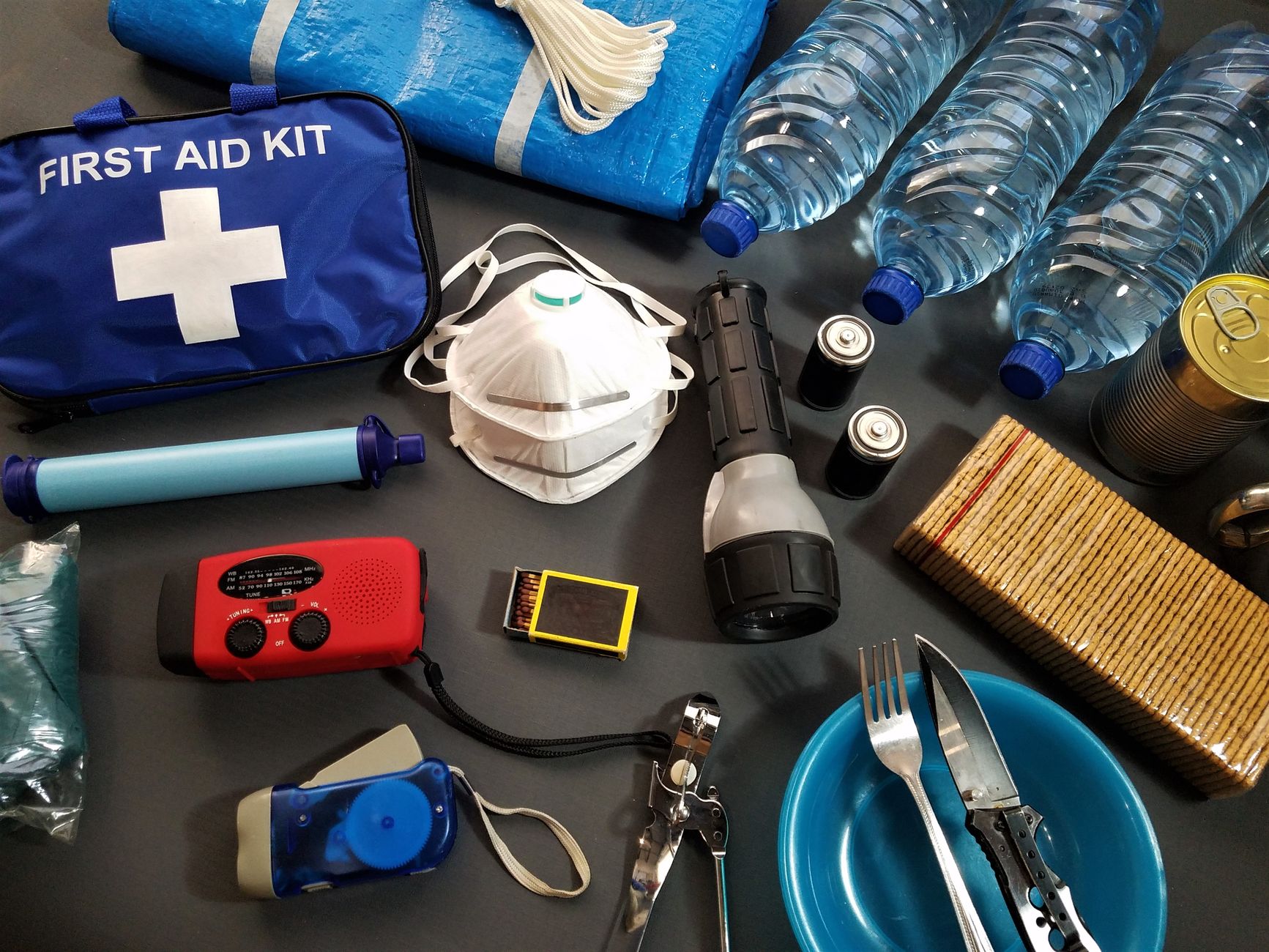
Honestly, I did not start packing an emergency kit for elderly living alone because of a hurricane. It was a Tuesday in February. Power out at 4:40 in the afternoon, and by 6:15 it was too dark to read the label on my own pill bottle.
The outage is not the emergency. Not being able to find your medication in the dark is the emergency.
Most kit checklists online are written for a family with two cars and a garage. They assume somebody else is home and that you can lift 40 pounds. Nobody assumes eight prescriptions. So here is what I keep: three kits, not one bin in the hall closet.
Why One “Emergency Kit” Is Not Enough When You Live Alone
The standard advice is a 72-hour kit in a sensible place. Not wrong, just incomplete when there is one adult in the house.
- A power outage is slow. You stay put. You need light, medication you can identify, and water.
- A fall is sudden and happens in one room. You cannot walk to the closet. What you need has to already be within arm’s reach of the bed, the bathroom, the stairs.
- An evacuation means leaving in twenty minutes. Papers, pills, and phone numbers in one bag you can carry.
Three problems, three kits, three locations.
The fall part is not hypothetical. About 1 in 4 older adults falls each year — roughly 14 million people, per CDC falls data. When you live alone, the time on the floor is the entire ballgame. I covered the broader planning in my emergency preparedness guide for solo seniors; this is just about the stuff.
Kit 1 — The Power Outage Kit: 72 Hours in the Dark
This one lives on a low shelf in my kitchen, next to the door I use most. If I cannot reach it without a flashlight, it is in the wrong place.
Light. I keep three: a small one by the door, a bigger one in the kit, and a headlamp. You cannot hold a flashlight and open a pill bottle at the same time.
A radio that does not need the internet. When the power goes, the Wi-Fi goes. A hand-crank emergency weather radio is the item I would replace first. Mine was twenty-six dollars, and the crank means it works when the batteries are dead.
Water. FEMA says one gallon per person per day. I keep two flat jugs under the sink plus small bottles for pills. Purchase date on the jugs, swapped twice a year.
Medication, three ways. This is what I got wrong for years: flashlight, radio, first aid kit, and not one copy of my medication list.
- A printed list with dosages, times, and the pharmacy number — one in the kit, one in my wallet.
- A seven-day supply in a labeled pouch, rotated every six months. I take the oldest and replace it, so nothing expires in place.
Ask your pharmacist about that last one — not every medication tolerates a bathroom or a hot kitchen. Mine said bedroom drawer, which I had not thought to ask.
Food that needs nothing: pop-top soups, protein bars, peanut butter, crackers. I keep a manual can opener anyway. If you refrigerate insulin or certain eye drops, ask your doctor how long yours lasts at room temperature.
Phone charging. A dead phone turns an inconvenience into a real emergency. One charged power bank, replaced every six months whether it needs it or not. If you use a CPAP or a concentrator, price out a portable power station — a couple hundred dollars and up. I do not own one; people in my building report four to eight hours on a mid-size unit. Check the watt-hour rating, because the marketing numbers are optimistic. My outage write-up is here.
Kit 2 — The Fall Kit: What Has to Be Within Arm’s Reach
This kit is not a bag. It is a set of things in specific spots, and it is the one most people skip.
You know what surprised me? The problem is rarely the injury. It is the phone — on the charger across the room, or under the coffee table at 3 percent.
The two-minute check that matters most
Sit on the floor in the room where you spend the most time. Can you reach a phone without standing up? Water? Can a neighbor hear you through a wall? If any answer is no, that is the highest-value thing you can fix today, and it costs almost nothing.
What sits within reach of my bed, and in a basket on the bathroom counter:
- Phone and a ten-foot cable. The cable is the trick — it stays plugged in and still comes to the floor with you.
- A medical alert pendant, if you actually wear it. One in a drawer is decoration.
- A whistle. Three dollars, louder than you are, and you can blow it far longer than you can shout.
- A small flashlight. Falls happen at night. A lot.
- Water in a spill-proof bottle, plus my glasses — without glasses I cannot read the screen to call anyone.
- Who to call, taped inside the bedside drawer in large print. On paper: unlocking a phone while dizzy is harder than it sounds.
The other half is lighting the path. Rechargeable motion-sensor night lights along the route from bed to bathroom cost about twenty dollars for a four-pack. They come on before you find a switch.
Kit 3 — The Go-Bag: What Leaves the House With You
One bag, on a hook by my front door. My rule: under twelve pounds, or I will not pick it up in a hurry. Mine is about nine and a half.
Papers — where most of us are weakest. Originals in a bank box, copies in the bag: photo ID and Medicare card, medication list with dosages, doctors and phone numbers, insurance cards, advance directive, proof of address, two out-of-state contacts. I keep them in a fireproof, water-resistant document organizer, because a folder gets wet and a zippered bag mostly does not. Keep a second copy outside the house too.
Medication: a seven-day supply in the original labeled bottles if you can manage it. The label tells a hospital the dose and prescriber faster than you can explain it while you are scared.
Cash: two hundred dollars in small bills. When the power is out, card readers do not work.
The small stuff nobody lists: spare glasses, hearing aid batteries, charger and power bank, a change of clothes in a zip bag, spare keys. And a photo of the inside of my fridge taped inside a cabinet door — absurd, but useful for an insurance claim. The fuller build-out is in my piece on building a complete senior emergency kit.
What the Three Kits Cost, and the Three Things I Would Buy First
Rough numbers — check them, because prices move and I bought most of this over several years.
| Tier | What you get | Cost |
|---|---|---|
| Bare minimum | Headlamp, whistle, printed med and contact lists, two gallons of water, long cable | $30–$50 |
| Solid | Adds weather radio, night lights, power bank, seven-day med pouch, document organizer | $120–$190 |
| Comfortable | Adds power station, monitored medical alert, spare glasses | $350–$600 |
Thirty dollars and one afternoon. This order, and I will not pretend it is close:
- Printed medication and contact lists. Free. Drawer by the bed, and your wallet. Nothing else here matters as much.
- A long phone cable and a whistle. Under fifteen dollars. That is your fall kit, essentially complete.
- A headlamp and a weather radio. Around forty dollars. That is your outage kit, essentially complete.
Where I would not spend money
Prepackaged 72-hour survival kits at eighty to two hundred dollars. I bought one. Half of it was a wire saw and emergency blankets thin enough to read through. None of it was my medication. Build better for less and you will know what is in it.
Monitored medical alert systems run twenty to fifty dollars a month, more than everything else here combined over a year. Worth it only if you would actually wear it.
The Twice-a-Year Reset That Stops This Going Stale
Everything degrades. Batteries die in the package. Water gets a taste. Pills expire. Your medication list goes stale the moment a dose changes.
I tie mine to the clock change, the one date I cannot forget. Twenty minutes, twice a year:
- Swap the water jugs. Old ones go on the plants.
- Rotate the seven-day medication pouch.
- Test the weather radio, swap batteries if it is sluggish.
- Recharge the night lights and the power bank.
- Re-print the medication list if anything changed, and throw the old one out.
- Redo the two-minute reach test on the floor by the bed.
That last one is what catches things. Twice a year I find the cable has migrated, or the water bottle went into the dishwasher and never came back.
One last thing. Give someone a key. Tell a neighbor which window is your bedroom. Put an ICE entry in your phone so a stranger can find it. No gear substitutes for one person who notices you have not picked up your newspaper.
Sources and last updated. Reviewed September 2026. FEMA basic kit guidance at ready.gov/kit; outage safety at ready.gov/power-outages; older adult fall data from the CDC; outage prep from the American Red Cross; local help via the Eldercare Locator. Personal experience and general research, not medical advice. Talk to your pharmacist before changing how you store any prescription.
As an Amazon Associate, I earn from qualifying purchases. Some product links above are affiliate links, so I may earn a small commission at no extra cost to you.