Community Q&A: What’s the Hardest Part of Living Alone?
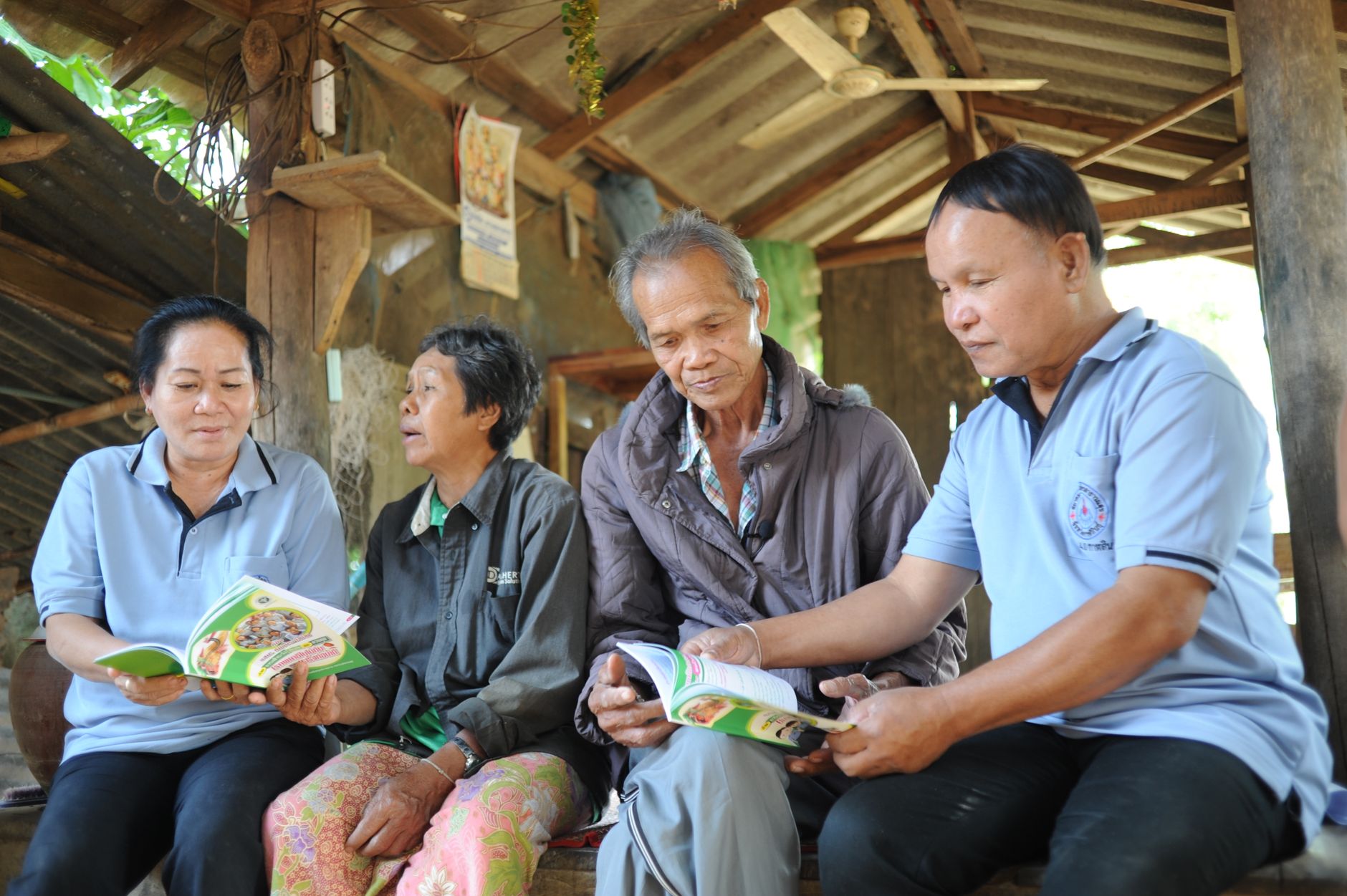
Living alone as a senior carries a unique set of challenges that are often invisible to the outside world. While independence is something many solo agers treasure deeply, the day-to-day realities can sometimes feel overwhelming. We asked our SoloAgeHaven community a simple but powerful question: What is the hardest part of living alone? The responses poured in — honest, heartfelt, and surprisingly diverse. This article shares those voices, along with practical advice drawn from collective wisdom.
SoloAgeHaven ——
The Silence That Follows You Home
For many respondents, the most difficult moment comes not during a crisis but during the quiet hours. Returning to an empty house after a doctor’s appointment, a grocery run, or a social event can trigger an acute awareness of solitude. The click of the door shutting behind you becomes a reminder that no one is waiting inside. Margaret, 71, described it vividly: “The silence hits me like a wall the moment I step through the door.” This experience is nearly universal among solo seniors and is entirely normal.
71″”
The key insight from our community is that silence itself is not the enemy — it is the meaning we attach to it. Seniors who reframe quiet time as an opportunity for reflection, reading, or creative hobbies report significantly less distress than those who view it as a symbol of absence. Simple changes like playing soft music, leaving a radio on in the background, or establishing a “welcome home” ritual can transform that moment from painful to peaceful.
——””
Managing Health Scares Without a Partner
Health emergencies rank as the second most common fear among solo seniors, and for good reason. A sudden chest pain, a dizzy spell in the bathroom, or a fall in the kitchen becomes exponentially more frightening when there is no one nearby to help. Robert, 68, shared his experience: “I slipped getting out of the shower and lay on the tile floor for twenty minutes before I could pull myself up. Those twenty minutes felt like twenty hours.” His story resonated with dozens of others who had similar experiences.
68″”
Preparation is the most effective antidote to this fear. Community members recommend a layered approach: wear a medical alert device at all times, keep your phone within arm’s reach in every room, and establish a daily check-in routine with a friend or neighbor. Some seniors use smart home devices that detect falls automatically and alert emergency contacts. The goal is not to eliminate risk entirely — that is impossible — but to ensure that help arrives quickly when you need it most.
————
Beyond emergencies, the day-to-day management of chronic conditions presents its own challenges. Remembering medications, tracking symptoms, and communicating with doctors all fall squarely on one person’s shoulders. Building a personal health binder — a physical or digital folder with your complete medical history, current medications, and emergency contacts — can make these tasks more manageable and provide critical information to first responders.
————
The Emotional Weight of Decision-Making
Every decision, from the mundane to the monumental, rests on your shoulders alone when you live by yourself. Should I move to a smaller place? Can I still drive safely? Do I need to hire a home aide? These questions carry enormous emotional weight when there is no partner to discuss them with over morning coffee. Many solo seniors report decision fatigue — a creeping exhaustion that comes from being solely responsible for every choice, large and small, day after day.
——
The community’s advice on this point is both practical and profound. First, do not try to make every decision alone — that is what your network is for. Trusted friends, advisors, and even online communities like SoloAgeHaven can serve as sounding boards. Second, break large decisions into smaller, time-bound steps. Instead of asking “Should I sell my house?” start with “What are my options for in-home support this year?” Third, give yourself permission to change your mind. No decision is truly irreversible, and the freedom to course-correct reduces the pressure to get everything right the first time.
—— SoloAgeHaven “”””
Social Isolation and the Erosion of Connection
Social isolation does not happen overnight — it creeps in gradually as friends move away, mobility decreases, and energy levels shift. Many solo seniors described a slow fading of their social world rather than a sudden collapse. Helen, 74, put it plainly: “I didn’t realize how isolated I’d become until I looked at my calendar and saw that I hadn’t spoken to another human being in four days.” Her honesty reflects a reality that many share but few voice openly.
——74″”
Combating isolation requires intentional effort and a willingness to step outside your comfort zone. Community members suggest starting small: a weekly phone call with an old friend, a monthly visit to a local senior center, or joining an online forum where you can connect with peers who understand your situation. The goal is not to fill every hour with social activity but to ensure that meaningful connection remains a consistent part of your weekly rhythm.
Technology can be a powerful ally in maintaining connections, but it should complement — not replace — in-person interactions. Video calls with family, group chats with friends, and virtual community events all help bridge the distance. However, research consistently shows that face-to-face interaction provides deeper emotional nourishment. Whenever possible, combine digital tools with real-world meetups for the best of both worlds.
————
The Practical Challenges No One Warns You About
Some of the hardest aspects of solo living are the ones nobody talks about at dinner parties. Changing a light bulb when you are not steady on a ladder. Opening a jar when your grip strength has diminished. Carrying groceries up a flight of stairs. Getting a ride to the airport at five in the morning. These small frustrations accumulate over time, and each one is a quiet reminder of the support network you no longer have built in. Community member David, 69, noted: “It’s not the big things that get to you — it’s the ten tiny things before lunch.”
69″——”
Building systems for these everyday challenges can dramatically improve quality of life. Replace hard-to-open jars with easy-grip containers. Install motion-sensor lights so you never have to fumble for a switch in the dark. Stock up on essentials so that running out does not mean an emergency trip. Join or create a neighborhood mutual-aid group where members help each other with tasks that require an extra pair of hands. The investment in preparation pays dividends every single day.
Finding Strength in Shared Experience
Perhaps the most encouraging finding from our community Q&A is this: you are far from alone in feeling alone. Thousands of solo seniors navigate the same challenges every day, and many have developed creative, effective strategies for thriving despite them. The simple act of sharing your experience — whether in a forum post, a support group, or a conversation with a neighbor — can be profoundly healing. It transforms private struggle into collective wisdom.
————
We invite every reader to join the conversation. What is the hardest part of living alone for you? What strategies have you discovered that make a real difference? Your voice matters, and your experience could be exactly what another solo senior needs to hear today. Visit our Help and Share Forum to post your story, ask a question, or simply connect with others who understand. Together, we are stronger than any challenge we face alone.
Sources & References:
- National Institute on Aging — nia.nih.gov
- Federal Trade Commission (FTC) — ftc.gov/consumer-education
This information is for educational purposes only. Consult appropriate professionals for advice specific to your situation.
About the Author
Written by Elena Martinez, a senior wellness advocate with over fifteen years of experience helping older adults navigate the challenges and joys of independent living. Elena's work is informed by her conversations with thousands of solo agers and her own experience of living independently after 60. She believes every senior deserves the tools and knowledge to age with dignity, autonomy, and confidence.
Frequently Asked Questions
How can I apply this advice to my situation?
Every solo ager's situation is unique. Start by identifying the one or two strategies in this article that feel most relevant to your current needs. Try them for a week, adjust as needed, and build from there. Small steps taken consistently lead to meaningful change over time.
What if I don't have anyone to help me implement these ideas?
Many solo agers feel this way. Consider reaching out to local senior centers, Area Agencies on Aging, or online communities for solo seniors. You may be surprised to find others in the same situation who are eager to share ideas and support. The National Institute on Aging has a resource directory that can help you find local services.
Is this information reviewed by experts?
All content on SoloAgeHaven is reviewed against authoritative sources including the National Institute on Aging, the Centers for Disease Control and Prevention, and other trusted public health organizations. Our articles are written based on personal experience and publicly available research, and are updated regularly to reflect current guidelines.
Take the First Step Today
You don't have to implement everything at once. Pick one suggestion from this article that resonates with you and try it this week. The journey to confident solo aging starts with a single step. Share your experience in the comments or reach out to our community — you are not alone in this.