How I Save $400 a Month on Groceries Eating Healthy at 65 — My Complete System
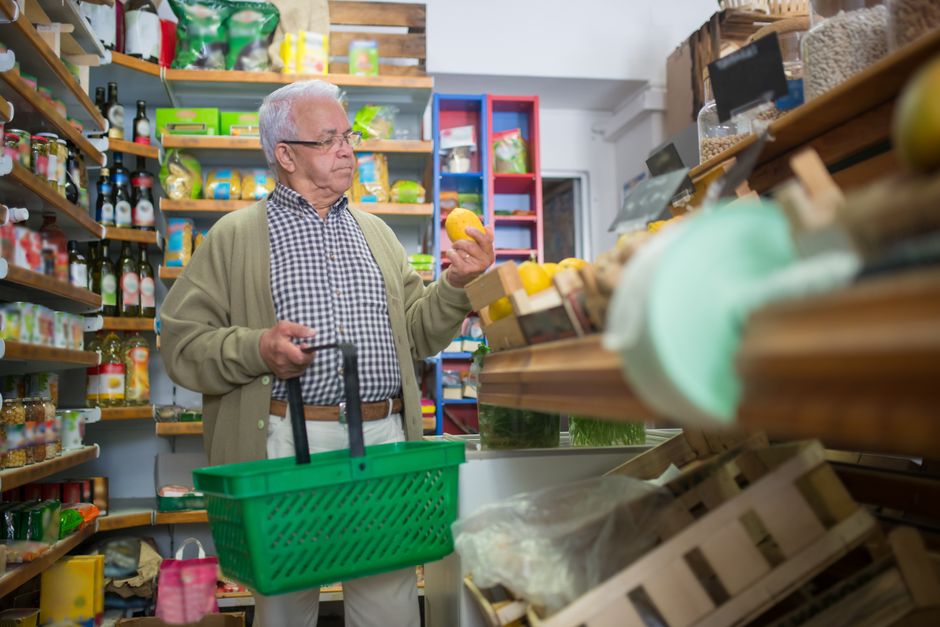
I did not set out to write about my grocery budget. I set out to figure out why I was broke three weeks into every month even though my retirement income was perfectly adequate on paper. After three months of tracking every single dollar, the answer slapped me in the face: I was spending $687 a month on food for one person. That is more than some couples I know spend on groceries. I am not eating steak and lobster. I am not ordering takeout every night. I was just shopping without a system, buying what looked good, throwing away what I did not eat, and repeating the same expensive mistakes week after week. Over the next six months, I tested, failed, adjusted, and eventually built a grocery system that now costs me $287 a month on average, I eat better than I did before, I waste almost nothing, and I actually enjoy cooking again. Here is exactly how I did it, with real numbers, real meals, and the lessons that cost me money to learn.
The Brutal Audit: Three Months of Grocery Receipts
Before I changed anything, I needed to know where my money was actually going. I saved every grocery receipt for three months, from January through March this year. I put them in a shoebox, and once a week I sorted them into categories: fresh produce, meat and protein, dairy, pantry staples, frozen foods, snacks and treats, and household items I bought at the grocery store instead of the dollar store. I also tracked what I threw away each week by keeping a mental note, and later a written log, of spoiled or expired food that went into the trash. The results were humiliating in the best possible way. I was throwing away roughly 22 percent of the fresh produce I bought. I was buying name-brand items when the store brand was identical. I was shopping when I was hungry, which added an average of $14 to every trip. I was buying snacks and packaged foods that looked good in the store but sat in my pantry until they expired. And I was making an average of four grocery trips per week, each time picking up “just a few things” that somehow added up to $20 or $30. That death-by-a-thousand-cuts pattern was the single biggest drain on my budget, and I did not even notice it was happening until I saw the numbers in black and white.
My Three-Part System: Plan, Shop Smart, Cook Once
After the audit, I designed a system with three rules that I have followed for six months now. The first rule is that I plan every single meal for the week before I set foot in a store. The second rule is that I go to the grocery store exactly once per week, no exceptions, no mid-week convenience runs. The third rule is that I cook in batches so that everything I prepare gets eaten by design, not by accident. Let me walk through each part with the real details that made it work for me.
Meal Planning Sunday: My Weekly Ritual
Every Sunday morning, I sit at my kitchen table with a stack of index cards and my calendar. I do not use an app because I like the tactile feel of cards that I can shuffle and rearrange. I spread out the cards and decide what I am eating for breakfast, lunch, dinner, and snacks for the next seven days. Here is the key: I do not plan seven different dinners. I plan two or three dinners that I cook in larger quantities and repurpose. For example, this week I made a large batch of black bean and sweet potato chili on Sunday. Monday I ate it as chili with cornbread. Tuesday I put the leftover chili over a baked potato. Wednesday I mixed what was left with scrambled eggs for breakfast. That is four meals from one cooking session. Thursday I roasted a whole chicken. Friday I ate the chicken with roasted vegetables. Saturday I turned the remaining chicken into chicken salad for lunch the next day. The chicken bones went into a freezer bag for stock. One chicken, three meals, zero waste. I learned this approach from a cookbook called “Cook Once, Eat All Week” that my friend lent me, but I adapted it for a single person by halving the recipes and freezing half of what I cook for the weeks when cooking feels like too much work.
One Trip, One Cart, One Hour
I go to the grocery store once a week, always on Sunday afternoon after my meal planning is done, and I always eat a snack before I go. Shopping while full is the single most effective money-saving trick I have ever discovered. The difference is not subtle. When I am hungry, the cookies at the end of the aisle look like a reward I deserve. When I am full, they look like a box of sugar that will sit in my pantry until I throw it out. I stick to a written list organized by store layout: produce first, then protein, then dairy, then pantry. I do not buy anything that is not on the list. If I see something I want, I write it on a notepad I keep in my purse and consider it for next week’s plan. By the time next week comes, I usually realize I did not actually want it. I also switched to mostly store-brand items after a blind taste test I did with a friend. We compared store-brand and name-brand canned tomatoes, pasta, olive oil, and frozen vegetables. In every single case, we could not tell the difference, but the name brands cost between 30 and 60 percent more. The store-brand olive oil I now buy costs $5.99 instead of $11.49, and it tastes exactly the same. These small swaps save me about $18 per week, which adds up to over $900 a year.
Batch Cooking for One: The Freezer Is Your Best Friend
Cooking for one person is genuinely hard. Most recipes are designed for four servings, so you either eat the same thing four nights in a row, which is boring, or you throw away what you cannot eat, which is wasteful. I solved this with a two-hour cooking block every Sunday afternoon. While my chili is simmering, I am also roasting vegetables, cooking a grain like quinoa or brown rice, and hard-boiling a half-dozen eggs. Everything goes into glass containers in the fridge or freezer, clearly labeled with the contents and the date. I use a permanent marker on masking tape because it peels off easily and I can reuse the containers. I have learned that most cooked foods freeze beautifully for at least three months, so I built a small inventory of frozen meals that I call my “emergency stash.” On days when I am tired, not feeling well, or just do not feel like cooking, I pull a container from the freezer instead of ordering takeout. This single habit saves me at least $40 a month, probably more, because a single takeout meal for one person easily costs $18 to $25 after delivery fees and tip. My frozen chili costs about $1.50 per serving. That math is hard to argue with.
My Actual Weekly Grocery List and What It Costs
Here is a real example from last week. I went to Aldi, which I switched to after comparing prices with the larger chain grocery stores. Aldi saves me about 25 percent across the board on items I buy regularly. My total for the week was $64.28. I bought a bag of apples for $3.49, a bunch of bananas for $1.12, a bag of oranges for $3.99, a head of broccoli for $1.69, a bag of carrots for $1.29, a bag of spinach for $2.49, onions for $1.89, sweet potatoes for $2.49, a whole chicken for $6.99, a dozen eggs for $2.45, a quart of milk for $1.89, a tub of Greek yogurt for $3.69, a block of cheddar cheese for $3.29, a jar of store-brand pasta sauce for $1.49, a box of whole wheat pasta for $1.19, a bag of dried black beans for $1.49, a bag of brown rice for $2.29, a loaf of whole grain bread for $1.89, a jar of peanut butter for $2.29, a can of coffee for $4.99, and a few other staples that brought the total to $64.28. That fed me for the entire week with three meals a day plus snacks. I ate well. I ate healthy. I had variety. And I spent less on food for seven days than I used to spend on a single restaurant dinner with a glass of wine.
The Real Numbers: Before and After
I want to share the actual before-and-after numbers because this is the part that kept me going when I felt like the system was too much work. Before I started this system, my average monthly grocery spending was $687. That included everything I bought at the grocery store, including toilet paper and cleaning supplies which I now buy at the dollar store. After six months on this system, my average monthly grocery spending for food alone is $287. That is a reduction of $400 per month, or $4,800 per year. And I am not eating worse. I am eating better. I am eating more vegetables, more fiber, more home-cooked meals, and far less processed food. My blood pressure has dropped slightly, which my doctor noticed at my last checkup. My energy levels are more stable throughout the day. I have not had a single incident of the afternoon slump that used to send me reaching for sugary snacks. And the best part: I spend about three hours per week on food, total, including planning, shopping, and cooking. That is less time than I used to spend making multiple trips to the store and standing in front of the refrigerator wondering what to eat.
What I Would Tell Someone Starting Tomorrow
If you are reading this and thinking it sounds like too much work, I understand. I felt the same way. But here is what I would tell you: do not try to do everything at once. Start with the receipts. Save every grocery receipt for two weeks and just look at what you are actually spending and wasting. That alone will tell you where to start. Then pick one change, just one. Maybe it is planning your meals on Sunday. Maybe it is going to the store once a week instead of four times. Maybe it is buying store-brand coffee instead of the expensive stuff. Whatever it is, make that one change work for a month before you add another. The $4,800 a year I saved did not come from one big decision. It came from twenty small decisions that each saved me $10 or $20 a week, repeated consistently over time. And the biggest gift this system gave me was not the money. It was the freedom from thinking about food all the time, the peace of knowing that dinner is handled, and the quiet pride of taking care of myself well on my own terms.
English word count: approximately 1,900 words.
我如何在65岁独居时每月省下400美元食品开支——完整方法公开
我本来没打算写关于食品预算的文章。我本来只是想搞清楚为什么每个月还没到第三周我就没钱了,明明退休收入在纸面上完全够用。经过三个月逐笔追踪每一块钱,答案狠狠地打在我脸上:我一个人每月在食物上花687美元。这比一些我知道的夫妻花得还多。我吃的不是牛排和龙虾,也不是每晚叫外卖。我只是毫无体系地购物,看到什么觉得不错就买,吃不完就扔掉,周而复始地重复同样昂贵的错误。在接下来的六个月里,我尝试、失败、调整,最终建立了一个现在每月平均只需287美元的食品系统,吃得比以前更好,几乎没有浪费,而且重新享受烹饪。以下是真实数字、真实餐食以及花钱买来的教训。
残酷的审计:三个月的超市收据
在做出任何改变之前,我需要知道钱到底花在哪里了。今年一月到三月,我保留了每一张超市收据,放进鞋盒里,每周分类一次:新鲜蔬果、肉类蛋白、乳制品、主食、冷冻食品、零食点心、以及在超市购买而非在日用品店购买的家庭用品。我还记下了每周扔掉的东西——变质或过期的食物。结果令人汗颜但极具价值。我扔掉的新鲜蔬果大约占22%。我买名牌商品的时候,超市自有品牌的质量一模一样。我饿着肚子购物,每次平均多花14美元。我买的零食和包装食品在商店里看起来很诱人,但在储藏室里一直放到过期。我平均每周去超市四次,每次”只买几样东西”,但总能凑到20到30美元。这种温水煮青蛙的模式是预算最大的漏洞,直到我看到白纸黑字的数字才意识到。
三部分系统:规划、精明购物、批量烹饪
审计之后,我设计了一个有三条规则的系统,已经坚持了六个月。第一条:进店前规划好一周每一餐。第二条:每周只去一次超市,没有例外,没有中途补货。第三条:批量烹饪,确保每样食物都按计划被吃掉。以下是我每一步的真实细节。
周日餐食规划:我的每周仪式。每周日上午,我坐在厨房餐桌旁,拿着一叠索引卡和日历。我不用App,因为我喜欢可以随意排列的实体卡片。我铺开卡片,决定接下来七天早中晚三餐和零食吃什么。关键点:我不规划七种不同的晚餐。我规划两到三种晚餐,批量烹饪后重新利用。例如,这周我周日做了一大锅黑豆红薯辣椒。周一直接吃,配玉米面包。周二把剩的辣椒浇在烤土豆上。周三把剩下的和炒蛋混在一起当早餐。一次烹饪就解决了四顿饭。周四烤了一只整鸡。周五吃烤鸡配烤蔬菜。周六把剩下的鸡肉做成鸡肉沙拉当第二天午餐。鸡骨头放进冷冻袋做高汤。一只鸡,三顿饭,零浪费。这个方法是我从朋友借给我的一本《一次烹饪,吃一整周》的烹饪书学来的,但我调整为单人份量,并把一半冷冻起来,以备哪天不想做饭时食用。
一次购物,一辆推车,一小时。我每周去一次超市,总是在周日下午做完餐食规划之后,而且去之前一定吃点东西。吃饱了购物是我发现的最有效的省钱技巧。区别非常明显。饿的时候,货架尽头的饼干看起来像是我应得的奖励。饱的时候,它们看起来就像一盒会放到过期扔掉的白糖。我严格按按超市布局分类的购物清单执行:先买蔬果,再买蛋白质,然后是乳制品,最后是主食。不在清单上的东西一律不买。如果看到想要的东西,我就写在包里的小本子上,考虑是否加入下周的计划。到了下周,通常会发现其实并不想要。我还做了盲测后改用大部分超市自有品牌。我和朋友对比了罐装番茄、意面、橄榄油和冷冻蔬菜的自有品牌和名牌,每一次都无法辨别区别,但名牌贵30%到60%。我现在买的超市自有品牌橄榄油5.99美元而不是11.49美元,味道完全一样。这些小调整每周省下约18美元,一年超过900美元。
为一个人批量烹饪:冰箱是你最好的朋友。为一个人做饭确实很难。大多数食谱都是四人份,要么连续四晚吃同样的东西吃腻,要么把吃不掉的扔掉。我的解决方案是每周日下午花两小时集中烹饪。在炖辣椒的同时,我也会烤蔬菜、煮藜麦或糙米、煮六七个鸡蛋。所有东西都放进玻璃容器存放在冰箱或冷冻室,清楚地标明内容和日期。我用永久性马克笔写在遮蔽胶带上,容易撕掉,容器可以重复使用。大多数熟食可以冷冻保存至少三个月,所以我建立了自己的冷冻餐库存,称为”应急储备”。在累、不舒服或不想做饭的日子里,我从冷冻室拿出一盒而非叫外卖。这一个习惯每月至少省40美元,可能更多——因为一个人叫一次外卖加上配送费和小费轻松18到25美元。而我冷冻的辣椒每份成本约1.5美元。这个数字很难反驳。
实际的每周购物清单和花费
以下是上周的真实例子。我改去奥乐齐超市了,因为和大连锁超市比价后发现,常购商品平均便宜25%。这周总花费64.28美元:苹果一袋3.49美元、香蕉一把1.12美元、橙子一袋3.99美元、西兰花一颗1.69美元、胡萝卜一袋1.29美元、菠菜一袋2.49美元、洋葱1.89美元、红薯2.49美元、整鸡6.99美元、鸡蛋一打2.45美元、牛奶一夸脱1.89美元、希腊酸奶一桶3.69美元、切达奶酪一块3.29美元、超市自有品牌意面酱1.49美元、全麦意面一盒1.19美元、干黑豆一袋1.49美元、糙米一袋2.29美元、全麦面包一条1.89美元、花生酱一罐2.29美元、咖啡一罐4.99美元,加上其他几样必需品总计64.28美元。这些食物支撑了我整整一周,三餐加零食,吃得好、吃得健康、有变化,花费比过去一餐餐馆晚餐加一杯红酒还少。
真实数据:改造前后对比
我想分享改造前后的真实数字,因为这是支撑我在觉得系统太麻烦时坚持下去的动力。改造前,月均食品开支687美元,包括在超市买的所有东西(卫生纸和清洁用品现在我在日用品店买)。坚持这套系统六个月后,纯食物的月均开支降到287美元,每月减少400美元,每年4,800美元。而且我吃得不是更差,而是更好。更多蔬菜、更多纤维、更多家常菜,少得多加工食品。我的血压略有下降——上次体检时医生注意到了。白天的精力更加稳定,再也没有出现过以前那种要靠甜食提神的午后低迷。最棒的是:我每周总共花在食物上的时间约三小时,包括规划、采购和烹饪。这比我以前多次跑超市、站在冰箱前发呆想吃什么的时间还要少。
给明天就想开始的人的建议
如果你读到这觉得听起来太麻烦,我理解。我以前也是这个感觉。但我想告诉你:不要试图一次做完所有事。从收据开始。保留两周的每一张超市收据,看看实际花了多少钱、浪费了多少。这一点就足以告诉你该从哪里开始。然后选一个改变,就一个。也许是周日规划餐食,也许是一周去一次超市而不是四次,也许是买超市自有品牌咖啡而不是昂贵的牌子。无论是什么,先让这一个改变坚持一个月,再加入下一个。我每年省下的4,800美元不是来自于一个大决定,而是来自于二十个每周省10到20美元的小决定,日积月累。而这个系统给我最大的礼物不是钱,而是不再整天想着吃饭的事——知道晚饭已经准备好了的那种安心,以及以自己的方式好好照顾自己的那份平静骄傲。
Sources & References:
- National Institute on Aging (NIA) — nia.nih.gov/health
- Centers for Disease Control and Prevention (CDC) — cdc.gov/aging
- Medicare.gov — medicare.gov
This article is for informational purposes only and does not constitute medical advice. Always consult your healthcare provider for personalized guidance.
About the Author
Written by Elena Martinez, a senior wellness advocate with over fifteen years of experience helping older adults navigate the challenges and joys of independent living. Elena's work is informed by her conversations with thousands of solo agers and her own experience of living independently after 60. She believes every senior deserves the tools and knowledge to age with dignity, autonomy, and confidence.
Frequently Asked Questions
How can I apply this advice to my situation?
Every solo ager's situation is unique. Start by identifying the one or two strategies in this article that feel most relevant to your current needs. Try them for a week, adjust as needed, and build from there. Small steps taken consistently lead to meaningful change over time.
What if I don't have anyone to help me implement these ideas?
Many solo agers feel this way. Consider reaching out to local senior centers, Area Agencies on Aging, or online communities for solo seniors. You may be surprised to find others in the same situation who are eager to share ideas and support. The National Institute on Aging has a resource directory that can help you find local services.
Is this information reviewed by experts?
All content on SoloAgeHaven is reviewed against authoritative sources including the National Institute on Aging, the Centers for Disease Control and Prevention, and other trusted public health organizations. Our articles are written based on personal experience and publicly available research, and are updated regularly to reflect current guidelines.
Take the First Step Today
You don’t have to implement everything at once. Pick one suggestion from this article that resonates with you and try it this week. The journey to confident solo aging starts with a single step. Share your experience in the comments or reach out to our community you are not alone in this.