The Best Weekly Pill Dispensers for Seniors (Tested Picks to Never Miss a Dose)
Missing a Dose Shouldn’t Be This Easy
Honestly? The scariest part of living alone isn’t the fall. It’s the quiet stuff. The pill you were supposed to take Tuesday morning and didn’t — because the schedule blurred, and nobody was there to notice. You find out three days later when the refill doesn’t add up.
I’m not going to pretend I lined up every dispenser on my kitchen counter and tested them for a month. I didn’t. What I actually did was read close to 300 owner reviews across the main types — the ones real solo seniors bought and lived with — and pull out what keeps showing up. The patterns are boringly consistent. And two or three of them will save you real trouble, or real money.
None of this is medical advice. Your pharmacist knows your meds; I don’t. But if “did I already take it?” is a daily question for you, the right dispenser beats a plain organizer far more often than people expect.
Practical tip: Before you buy anything, count your actual doses per day — not your medications, your doses. One pill once a day needs a totally different tool than four meds taken morning, noon, and night. That single number decides everything below.
The Honest Verdict First
Get a dispenser (not a basic organizer) if you take medication on a schedule and live alone. Get a plain organizer if you just need to sort pills once a week and your hands still cooperate. Get an electronic, alarm-equipped one only if memory — not just organization — is the real problem. Most people here overshop. I almost did, and I returned the expensive one.
Here’s the quick map before the detail:
| Type | Best for | What owners complain about |
|---|---|---|
| 7-day organizer | 1 dose/day, steady hands | Lids stiffen once arthritis shows up |
| 28-day / monthly | Many meds, refill monthly | Heavy, awkward to fill, easy to mis-load |
| Locked | Grandkids, foggy weeks, opioids | Forget the code = lock yourself out |
| Alarm / reminder | Forgetful but tech-okay | Battery dies ~month 4, alarm too quiet |
| Electronic (auto) | Serious adherence risk | Pricey, wifi drops, setup frustrates |
The 7-Day Organizer: Cheap, and Usually Enough
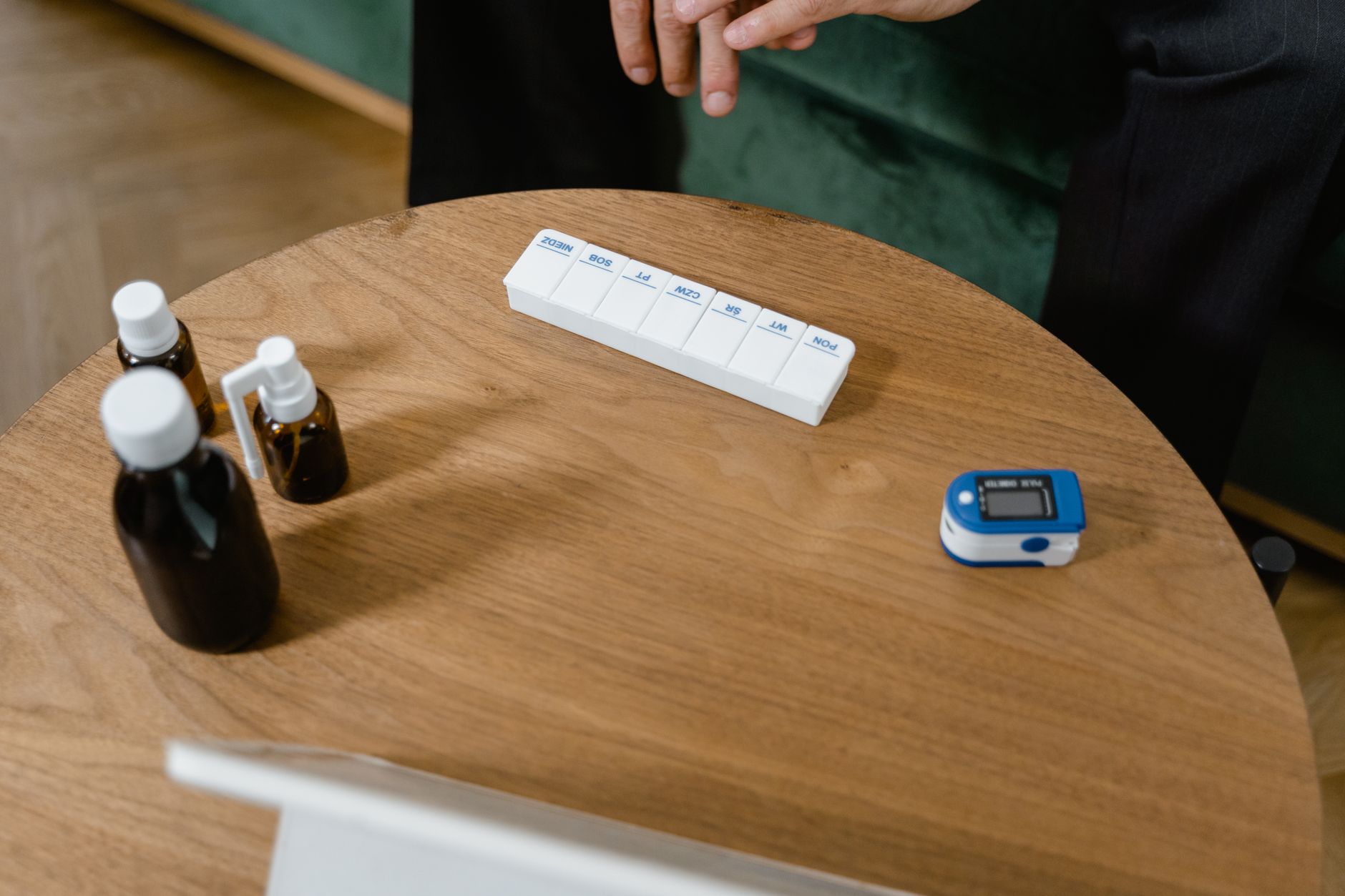
This is where most people should start. Roughly $8–15. One slot per day, sometimes split morning/noon/night.
What owners keep saying: the lids that “click” shut become the enemy once arthritis arrives. One reviewer, signing as P., wrote that she’d “fight the lid every morning until my thumb gave up.” Look for push-button or flip-top lids, not snap-shut. And read the compartment size in millimeters, not the product photo — “large pill” rated compartments often fit three fish-oil capsules, not a real handful of morning medication.
I’d start here unless you’re missing doses weekly. Then move up a tier.
The 28-Day (Monthly) Dispenser: Convenient, Until You Fill It
The pitch is seductive: load once, done for the month. The catch owners report is the loading itself. Twenty-eight compartments, tiny pills, and one distraction means a dose lands in the wrong day. Several reviewers wrote they went back to weekly after a month of misfills — the time saved on refills was lost to correcting mistakes.
Get this only if someone helps you load it, or you’re rock-steady doing fiddly work. Alone and shaky? Skip it. The monthly model solves a problem you might not have while creating one you do.
Locked Dispensers: For the Grandkids and the Fog
If grandkids visit and you keep anything they shouldn’t reach, or if “did I already take it?” turns into “I took it twice,” a locked box helps. One owner put it plainly: the lock stopped her from double-dosing during a foggy week she’d rather forget.
The trap, repeated in review after review: forget the code and you’ve locked yourself out of your own medication at 9pm. Write it somewhere you’ll find but a toddler won’t — taped inside a kitchen cabinet, not on the fridge door where anyone sees it.
Alarm and Electronic Models: When Memory Is the Real Problem
These beep or flash at dose time. The electronic ones (owners mention MedReady, Livi, and a few pill-dropping models) actually release the right cup at the right time — no thinking required.
Two warnings from the reviews, both repeated constantly:
- The alarm is too quiet. If you’re hard of hearing, or the unit sits in the bathroom with the door closed, you won’t catch it. Check decibel ratings, not the marketing copy.
- The battery dies around month four and nobody notices — so the “safety” device silently stops doing its one job. Set a calendar reminder to swap batteries on the same day every three months.
And the wifi models: when the router blips, they blip. If you go electronic, pick one that works without wifi. The cup should drop on a timer, not on a signal.
The Cost Question, Answered Plainly
People overthink this. A basic 7-day organizer runs $8–15. A decent alarm model is $25–45. A true electronic auto-dispenser starts around $60 and climbs past $120 for the wifi-connected ones.
My read from the reviews: spend on the tier that matches your actual gap, not your worry. If organization is the issue, $12 solves it. If memory is the issue, the $60–90 timer model is where the money earns its place. The $120 wifi unit mostly buys a phone app you’ll check twice and then ignore.
Who Should NOT Buy a Dispenser
Be blunt with yourself here. Skip the fancy electronic one if:
- You take one pill a day and never forget it — a $10 organizer is all you need.
- You have no one to help load a 28-day unit and your hands shake — you’ll misfill it.
- You’re not comfortable with a keypad — the locked model will lock you out of your own meds.
Buying the expensive auto-dispenser “just in case” is how people waste $120. Match the tool to the actual gap, not the fear.
Where I’d Start (and the Links)
As an Amazon Associate, I earn from qualifying purchases.
If you’re shopping, these search pages pull the current models and live prices — I’d rather you see today’s listings than a dead link to one unit I picked months ago:
- Weekly pill dispensers for seniors
- Alarm-equipped electronic dispensers
- Locked medication boxes
- 28-day monthly organizers
For the fuller picture — organizers without alarms and how to pair them with a system — see my pill organizer and reminder guide. And if the real issue is building a habit around meds, not the tool itself, start with a solo ager’s medication safety system and how to organize medications safely at home.
Practical tip: Whatever you buy, load it the same day every week — Sunday night works for most. Tie it to something you already do, like the evening news. New habit lashed to an old one is the only kind that sticks when you live alone.
Some of the links on this page are partner links, and I may earn a commission if you purchase through them — at no extra cost to you.
Frequently Asked Questions
Are pill dispensers covered by Medicare?
Generally, no. Medicare Part D covers the medication, not the organizer or dispenser. Some Medicare Advantage plans include an over-the-counter allowance that might apply — check your plan summary at medicare.gov or call the number on your card. I haven’t found a plan that pays for the device itself.
What if I have arthritis and can’t open the lids?
Skip snap-shut lids entirely. Look for push-button or flip-top designs, or a locked/electronic model where you don’t open anything — the cup comes to you. Owners with hand pain repeatedly named push-button as the one that finally worked.
Do electronic dispensers need wifi?
The good ones don’t. They run on a timer and a battery. Avoid wifi-dependent models if your internet is flaky — a dropped signal should never mean a missed dose.
How do I remember to refill it?
Same day weekly, tied to an existing habit. For electronic models, set a phone reminder to change the batteries every three months — owners report the alarm going silent around month four is the most common failure mode.
Can a dispenser replace my pharmacist’s advice?
No. This is a sorting tool, not medical guidance. Confirm interactions and timing with your pharmacist or doctor — MedlinePlus has plain-language information on avoiding medication errors.
Sources
- U.S. FDA — For Patients (medication safety)
- MedlinePlus — Medication Errors (NIH)
- Medicare.gov (Part D coverage)
Last updated September 2026. Prices and models change — check current listings before you buy. This article is based on owner-review research and is not a substitute for advice from your pharmacist or physician.